Introduction
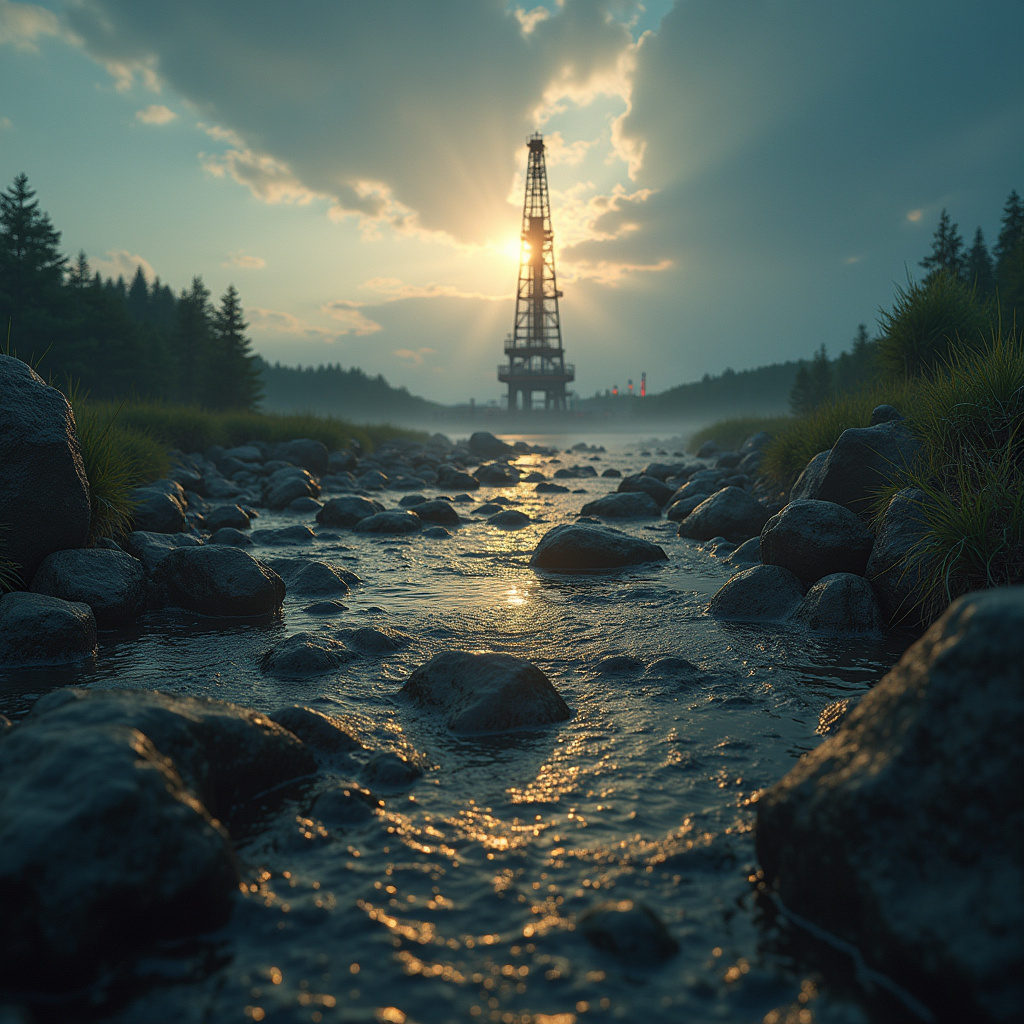
As we look ahead to 2026, the conversation surrounding oil and its environmental impact continues to grow in urgency. Oil has long been a cornerstone of the global economy, powering transportation, industry, and generating electricity. However, its production and consumption come with significant environmental concerns that cannot be ignored. In this article, we will explore the current state of oil, the environmental challenges it poses, and what we can expect in the coming years.
Understanding the Environmental Impact of Oil
The extraction and use of oil have several environmental repercussions. These include:
- Greenhouse Gas Emissions: Burning oil releases carbon dioxide (CO2) and other greenhouse gases, contributing to global warming.
- Oil Spills: Accidental spills during drilling or transportation can devastate marine ecosystems and coastal communities.
- Air Pollution: Oil refineries and vehicles that burn oil emit pollutants that harm air quality and public health.
- Water Contamination: Oil extraction processes can lead to the contamination of groundwater and surface water sources.
The Current Landscape of Oil Consumption
As of 2023, the world continues to rely heavily on oil. According to the International Energy Agency (IEA), oil demand is projected to remain strong, particularly in emerging economies. However, there is an increasing push for cleaner energy sources, driven by climate change awareness and technological advancements. This duality creates a complex scenario for oil and its future.
Predictions for Oil Use by 2026
Looking to 2026, several trends are likely to shape the oil landscape:
- Increased Regulation: Many countries are implementing stricter regulations on oil production and emissions, which could lead to reduced oil consumption.
- Shift to Renewable Energy: As technology improves and costs decrease, more nations are investing in renewable energy sources like solar, wind, and hydroelectric power.
- Electric Vehicles (EVs) Growth: The rise of electric vehicles is expected to decrease oil demand significantly, as more consumers opt for cleaner transportation options.
- Continued Oil Dependence: Despite these shifts, oil will still play a critical role in industries such as aviation and shipping, where alternatives are not yet fully developed.
Environmental Policies and Their Potential Impact
Governments around the world are taking steps to address the environmental concerns associated with oil. Some potential policies include:
- Carbon Pricing: Implementing a carbon tax could incentivize companies to reduce their emissions and invest in cleaner technologies.
- Investment in Clean Technologies: Subsidies and grants for renewable energy projects can accelerate the transition away from oil.
- Public Awareness Campaigns: Educating the public about the environmental impacts of oil and the benefits of alternatives can drive consumer behavior towards sustainability.
Challenges Ahead
While there is optimism regarding the transition to cleaner energy, several challenges remain:
- Economic Dependence: Many countries rely on oil revenue for their economies, making it difficult to transition quickly to alternatives.
- Technological Hurdles: Some sectors still lack viable alternatives to oil, necessitating continued investment in research and development.
- Political Resistance: Lobbying from the oil and gas industry can hinder the implementation of stricter environmental policies.
Conclusion
As we approach 2026, the oil industry faces a complex interplay of environmental concerns and economic demands. While there is a clear push towards cleaner energy sources, the transition will take time and require significant collective effort. Understanding these challenges and staying informed about developments will be crucial for individuals and communities looking to navigate the changing landscape of energy consumption. The future of oil and the environment is intertwined, and it is up to all of us to advocate for a sustainable path forward.