Introduction
As we step into 2026, the landscape of oil exploration is evolving. The world is witnessing a combination of technological advancements, environmental concerns, and shifting economic dynamics that are reshaping how and where we explore for oil. This article will delve into the new frontiers in oil exploration and the challenges that accompany them.
New Frontiers in Oil Exploration
Oil exploration is no longer confined to traditional oil-rich regions. As the demand for energy continues to rise, exploration efforts are expanding into new territories, including:
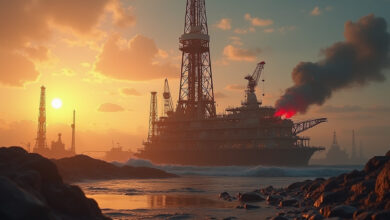
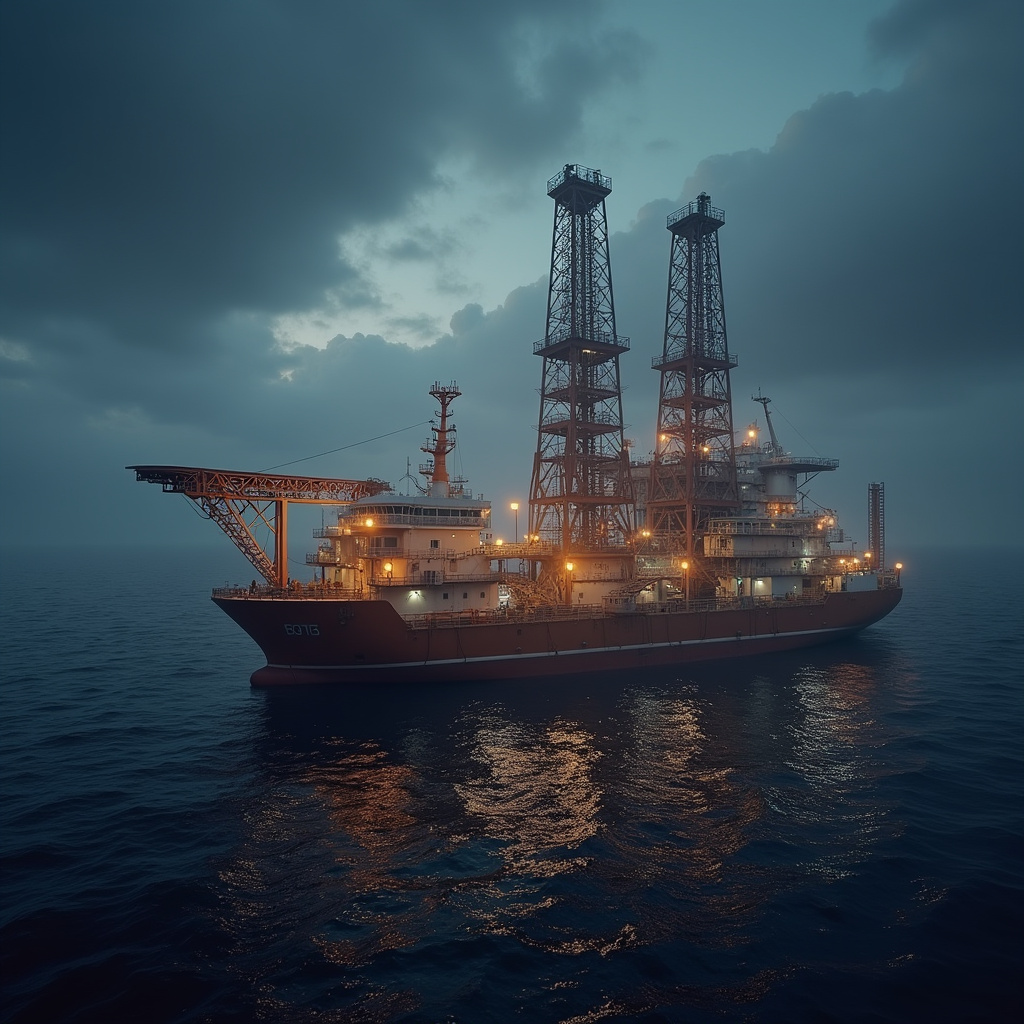
- Deepwater Exploration: The oceans cover over 70% of the Earth’s surface and hold vast untapped oil reserves. Companies are investing in deepwater drilling technology to access these resources.
- Arctic Regions: The melting ice caps are opening up previously inaccessible areas in the Arctic. This presents a significant opportunity for oil exploration, although it comes with environmental concerns.
- Unconventional Resources: Technologies such as hydraulic fracturing (fracking) and horizontal drilling have made it possible to extract oil from shale formations, which were once considered too difficult and expensive to tap into.
Technological Advancements
Technological innovation is at the forefront of the new oil exploration frontier. Here are some key advancements:
- Data Analytics: Advanced data analytics allows companies to analyze geological data more accurately, leading to better decision-making regarding where to drill.
- Robotics and Automation: The use of robots and automated systems helps in conducting surveys and monitoring sites, reducing the need for human presence in potentially hazardous environments.
- Renewable Energy Integration: Many oil companies are exploring ways to integrate renewable energy sources into their operations, reducing their carbon footprint while maximizing efficiency.
Environmental Challenges
While new technologies and frontiers offer exciting opportunities, they also bring significant environmental challenges. These include:
- Climate Change: The extraction and burning of fossil fuels contribute to climate change, leading to increased pressure on companies to adopt more sustainable practices.
- Oil Spills: The risks associated with oil spills remain a major concern, especially in sensitive areas like the Arctic. Such incidents can have devastating effects on marine life and coastal communities.
- Community Impact: Oil exploration can disrupt local communities and ecosystems, leading to conflicts over land use and environmental degradation.
Economic Factors
The economic landscape is also changing in 2026, impacting oil exploration. Factors to consider include:
- Global Demand: As economies recover post-pandemic, the demand for oil is expected to rise, driving exploration efforts. However, this demand is also increasingly being met with renewable energy sources.
- Investment Trends: Investors are becoming more conscious of environmental, social, and governance (ESG) factors, influencing how oil companies approach exploration and production.
- Geopolitical Issues: Political stability in oil-rich regions plays a crucial role in exploration. Tensions can disrupt supply chains and impact global oil prices.
The Future of Oil Exploration
Looking ahead, the future of oil exploration in 2026 and beyond will likely involve a more balanced approach. Companies may need to:
- Invest in Cleaner Technologies: To meet environmental standards and public expectations, oil companies will need to invest in cleaner extraction and processing technologies.
- Enhance Collaboration: Collaboration between governments, companies, and communities can lead to more sustainable exploration practices and minimize conflicts.
- Diversify Energy Sources: The transition to renewable energy will continue to gain momentum, and oil companies may need to diversify their portfolios to remain competitive.
Conclusion
Oil exploration in 2026 is at a crossroads. With new frontiers opening up and significant challenges on the horizon, the industry must adapt to a rapidly changing world. By embracing innovation and prioritizing sustainability, oil companies can navigate the complexities of modern exploration while meeting the energy demands of the future.