Introduction
In the modern world, oil has been a significant driving force behind our economies and societies. However, as we face the challenges of climate change and dwindling natural resources, the conversation around oil is shifting. This article explores the evolving trends from traditional fossil fuels to greener alternatives, shedding light on what the future holds for energy consumption.
The Role of Oil in Our Lives
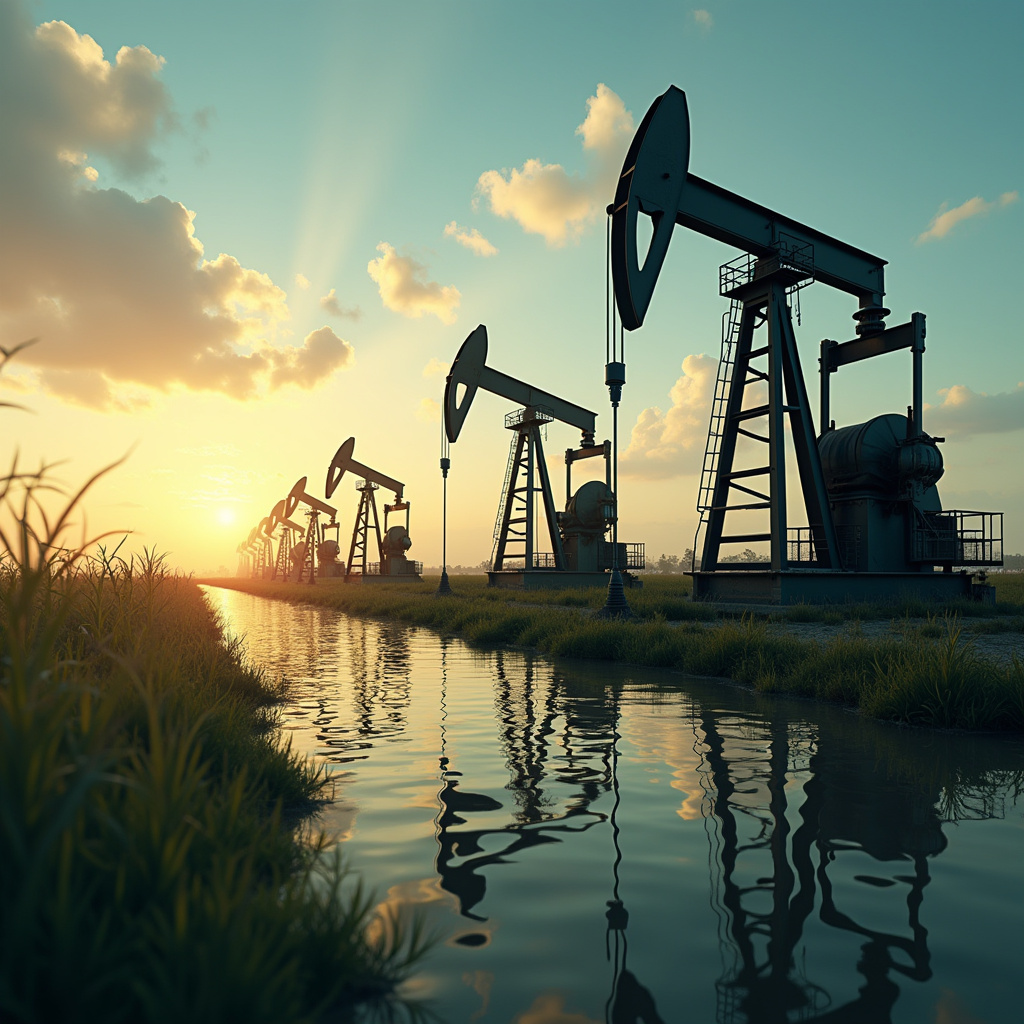
Oil has been the backbone of industrialization since the 19th century, powering everything from vehicles to factories. It’s found in countless products, including plastics, cosmetics, and fertilizers. However, its extraction and use come with significant environmental costs, including air pollution and greenhouse gas emissions.
Environmental Impact of Fossil Fuels
The burning of fossil fuels is one of the leading contributors to climate change. Carbon dioxide and other harmful gases released into the atmosphere trap heat, causing global temperatures to rise. As cities choke on smog and natural disasters become increasingly common, the need for a transition away from oil has never been more urgent.
Shifting Perspectives: The Rise of Green Alternatives
As awareness of environmental issues grows, so does the demand for sustainable energy solutions. Governments, businesses, and individuals are seeking alternatives to fossil fuels. Here are some of the most promising green alternatives:
- Solar Energy: Harnessing the power of the sun, solar panels convert sunlight into electricity. This renewable resource is becoming more affordable and accessible, making it a popular choice for homes and businesses.
- Wind Energy: Wind turbines capture the kinetic energy of wind and convert it into electricity. Wind farms are popping up in many regions, providing a clean and efficient energy source.
- Biofuels: Made from organic materials, biofuels can replace gasoline and diesel, reducing our reliance on petroleum. They are produced from crops like corn and sugarcane, as well as waste materials.
- Electric Vehicles (EVs): With advancements in battery technology, electric vehicles are becoming more practical and popular. They produce zero emissions at the point of use and can be powered by renewable energy sources.
Global Trends in Energy Consumption
Many countries are setting ambitious targets to reduce their carbon footprints. For instance, the European Union aims to be climate-neutral by 2050, while China is investing heavily in renewable energy technologies. These global trends signal a shift in how we think about energy consumption and its impact on the planet.
The Role of Technology
Technological advancements play a crucial role in making green alternatives viable. Innovations in energy storage, such as improved battery systems, are essential for maximizing the potential of solar and wind energy. Additionally, smart grids and energy-efficient appliances are helping consumers reduce their energy consumption.
Challenges Ahead
While the shift from oil to green alternatives is promising, it is not without challenges. Transitioning to a sustainable energy future requires significant investment, political will, and societal buy-in. There are also concerns about job losses in traditional fossil fuel industries, which must be addressed through retraining and support for affected workers.
Conclusion
The journey from fossil fuels to green alternatives is one of the most significant challenges of our time. As we navigate this transition, it is vital for individuals, businesses, and governments to work together towards sustainable energy solutions. By embracing renewable resources and reducing our reliance on oil, we can create a cleaner, healthier planet for future generations.