Introduction
The COVID-19 pandemic has left a lasting impact on global economies, reshaping how we view investments and financial security. As we move into 2026, many individuals and investors are reassessing their portfolios and financial strategies. One asset that has consistently proven its worth, even in turbulent times, is gold. In this article, we will explore the role of gold in the post-pandemic economy and why it remains a vital component of financial planning.
The Resilience of Gold
Throughout history, gold has been seen as a safe haven during economic uncertainties. In times of crisis, such as the pandemic, gold prices tend to rise as investors flock to it for security. In 2026, this trend continues as many people recognize that gold serves as a hedge against inflation and currency devaluation.
Why Gold? The Benefits of Investing
- Inflation Hedge: As governments print more money to stimulate the economy, inflation can erode the purchasing power of fiat currencies. Gold, on the other hand, tends to retain its value over time.
- Portfolio Diversification: Including gold in an investment portfolio can reduce overall risk. It often moves independently of stocks and bonds, providing a buffer during market volatility.
- Global Demand: The demand for gold remains strong, particularly in emerging markets. Countries like India and China continue to see a growing appetite for gold jewelry and investment, further supporting its value.
Gold and Digital Transformation
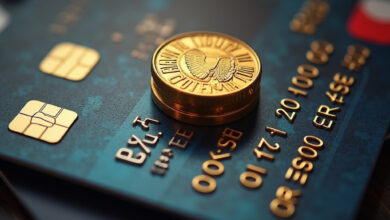
As we advance into a more digital economy, the interaction between gold and technology is becoming increasingly relevant. The rise of cryptocurrencies has sparked discussions about the future of gold as a store of value. However, many experts argue that gold’s intrinsic value and historical significance cannot be easily replicated by digital assets.
The Balance Between Gold and Cryptocurrencies
While cryptocurrencies offer exciting new investment opportunities, they are often highly volatile. Gold, conversely, provides a sense of stability. In 2026, a balanced approach to investing may involve holding both gold and cryptocurrencies, leveraging the strengths of each asset class.
Gold Mining and Sustainability
As the global focus shifts toward sustainability, the gold mining industry is adapting. Companies are increasingly adopting environmentally friendly practices to reduce their carbon footprint and promote responsible sourcing. This shift not only benefits the planet but also appeals to socially conscious investors who prioritize ethical investments.
Practical Tips for Investing in Gold
For those considering adding gold to their investment portfolio, here are some practical tips:
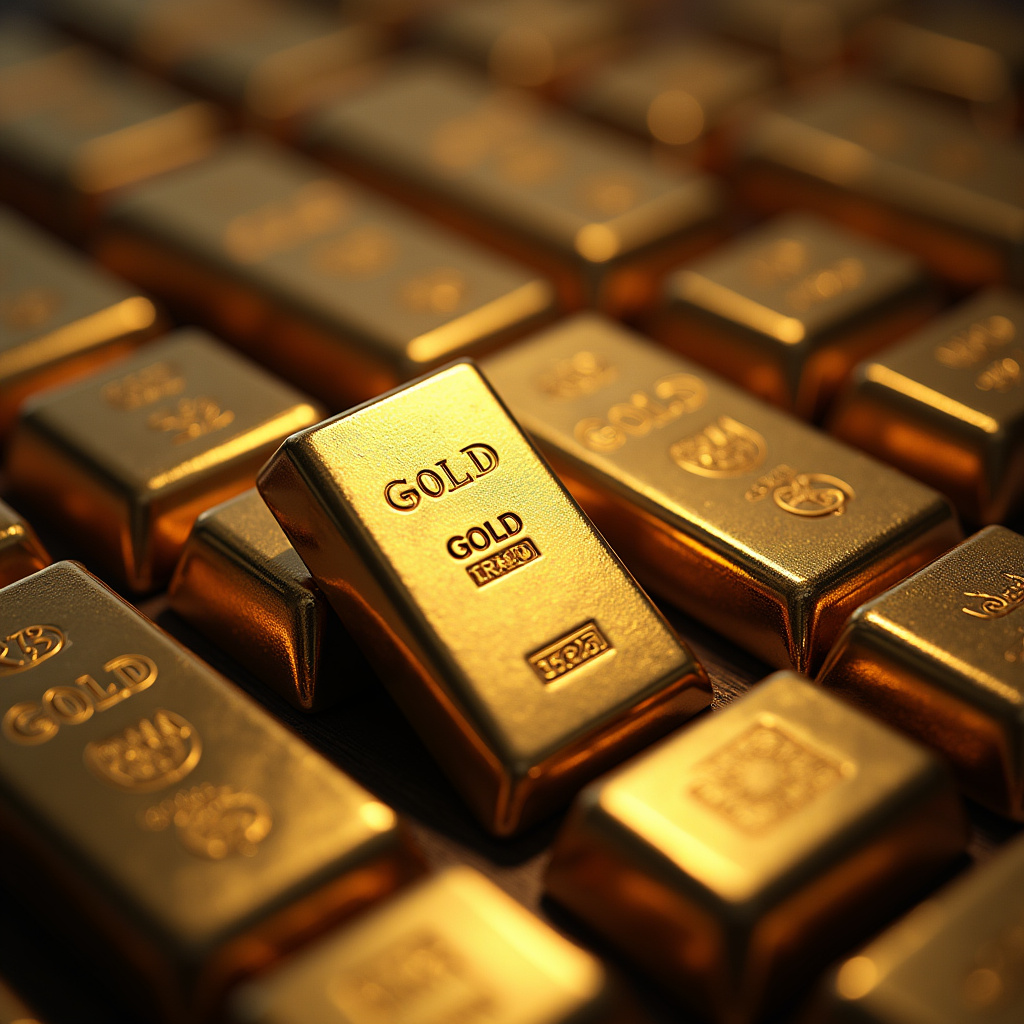
- Choose the Right Form: Gold can be purchased in various forms, including coins, bars, and ETFs (Exchange-Traded Funds). Consider your investment goals and preferences when choosing.
- Research Reputable Dealers: Ensure you buy from reputable dealers to avoid counterfeit products. Look for certification and authenticity guarantees.
- Diversify Your Holdings: Don’t put all your eggs in one basket. Alongside gold, consider diversifying into other assets to balance your risk.
Conclusion
As we navigate the complexities of the post-pandemic economy in 2026, gold remains a crucial element of financial planning and investment strategy. Its historical significance as a store of value, combined with its adaptability in a digital and sustainable world, ensures that gold will continue to play a vital role in safeguarding wealth. Whether you are a seasoned investor or just starting, understanding the importance of gold can empower you to make informed financial decisions in uncertain times.